
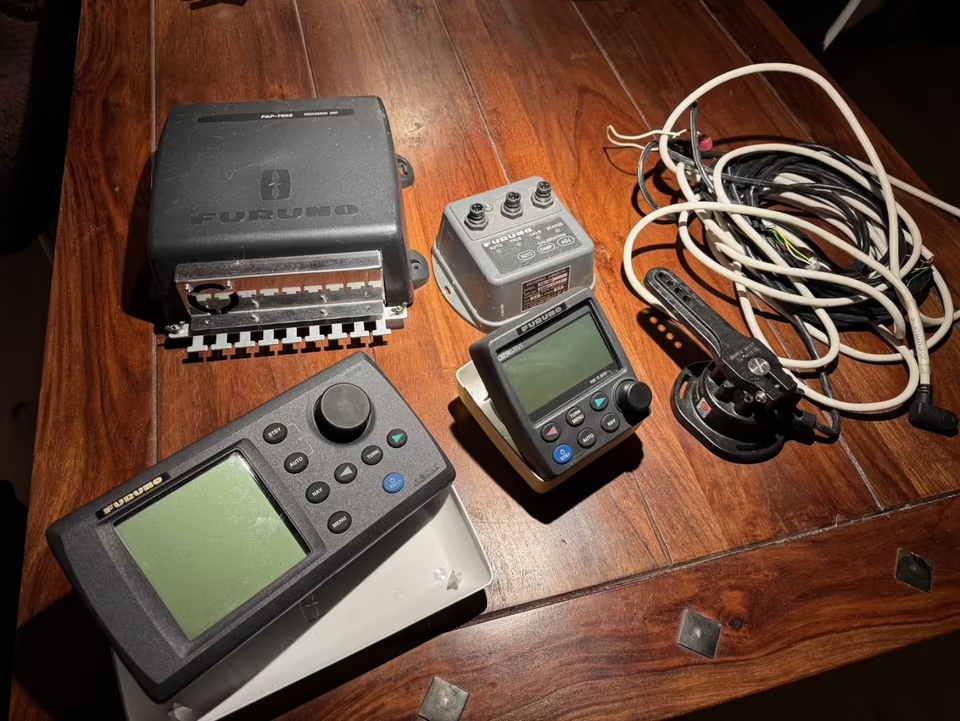
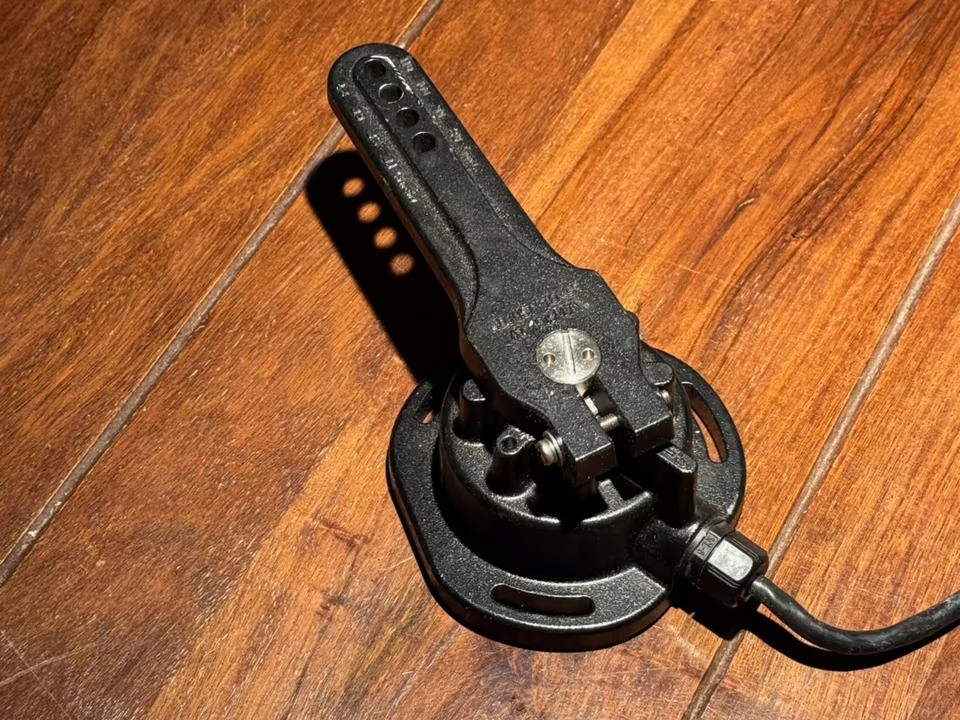
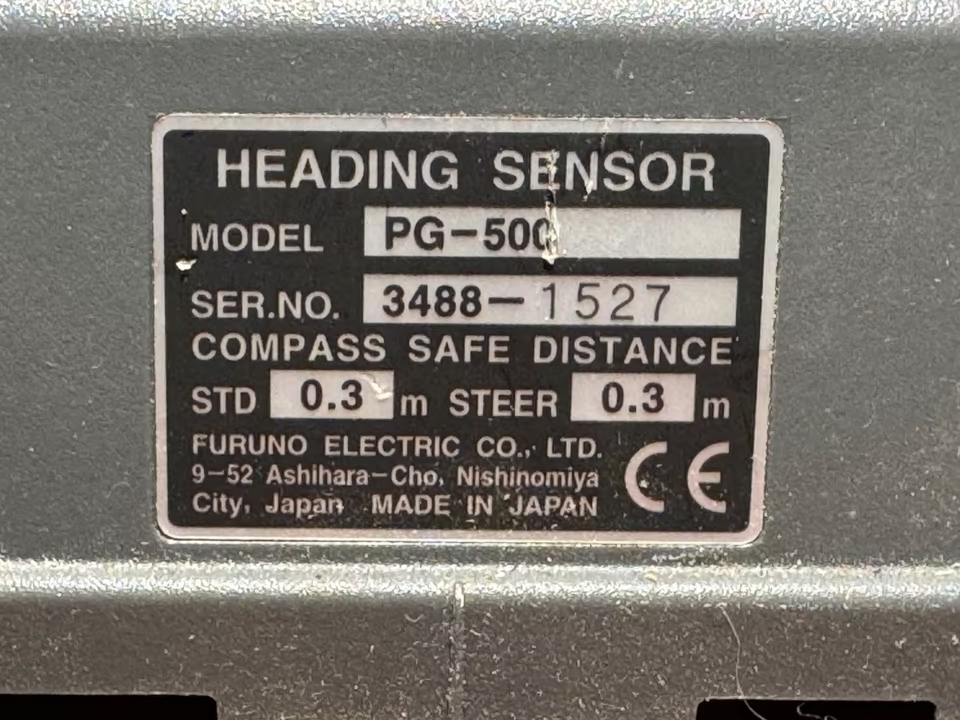
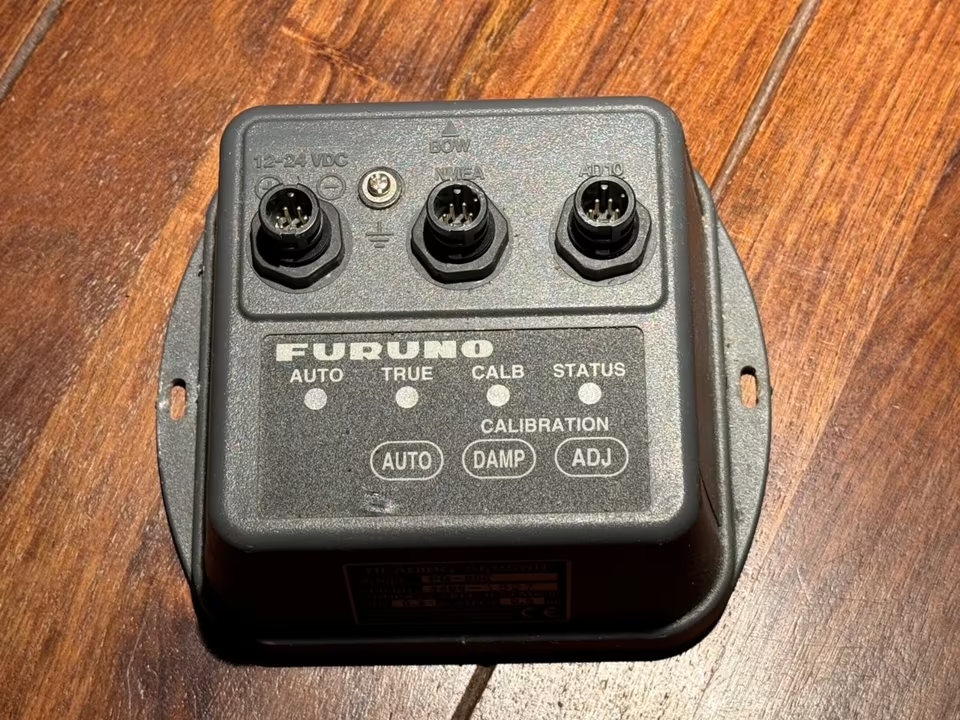
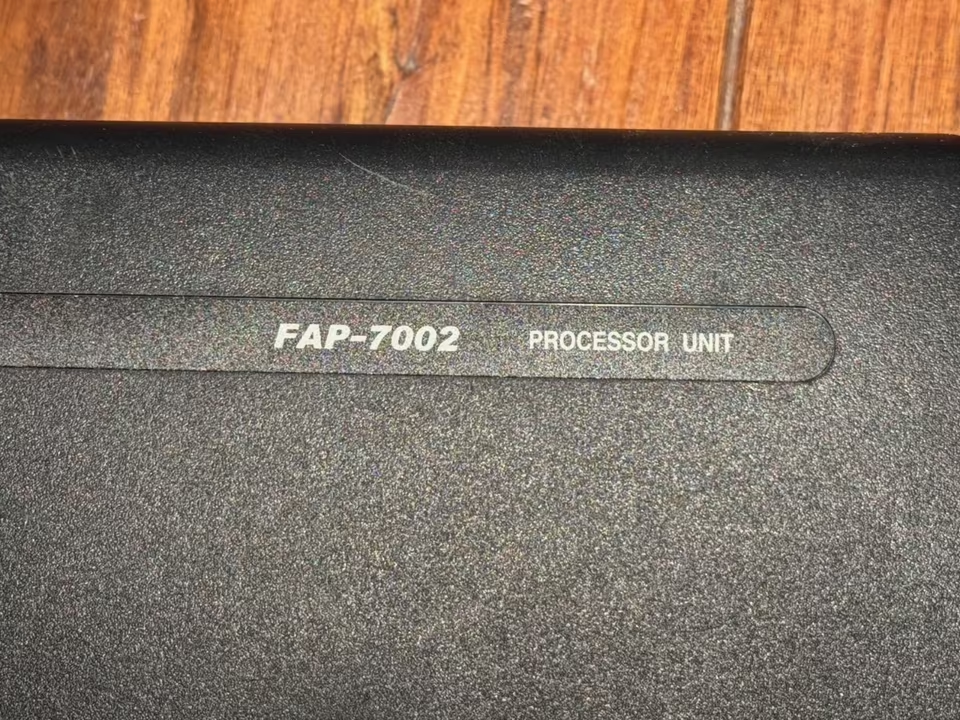
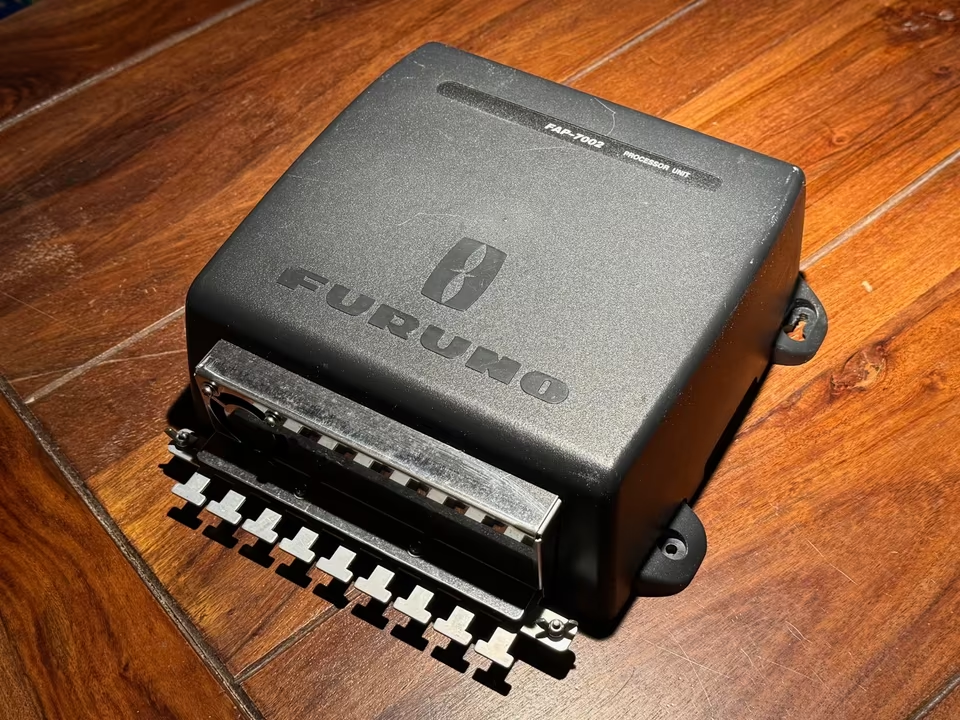
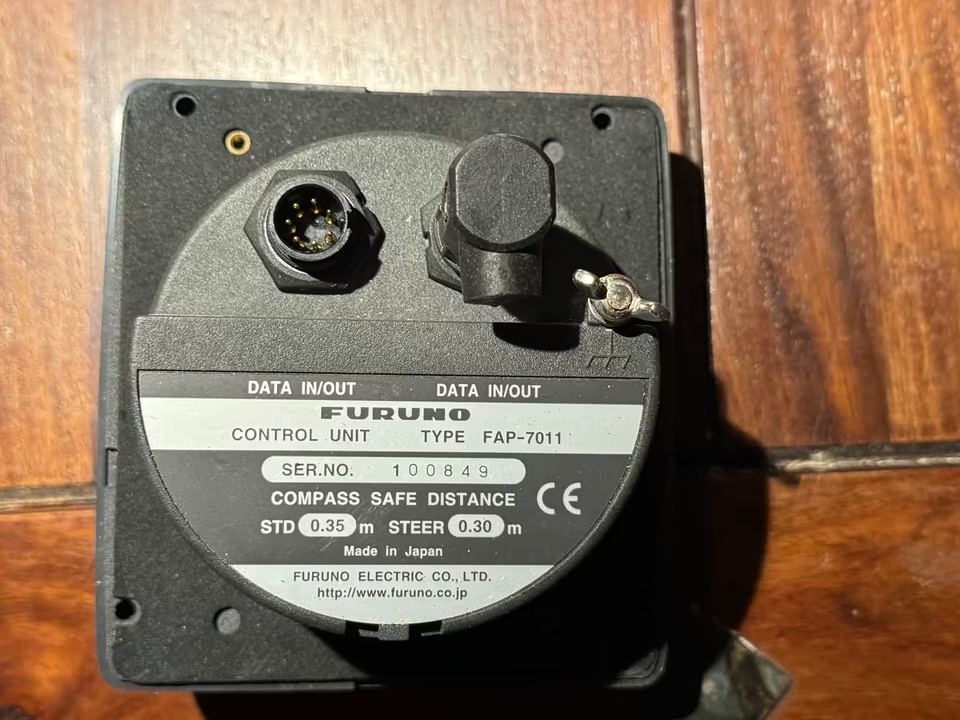
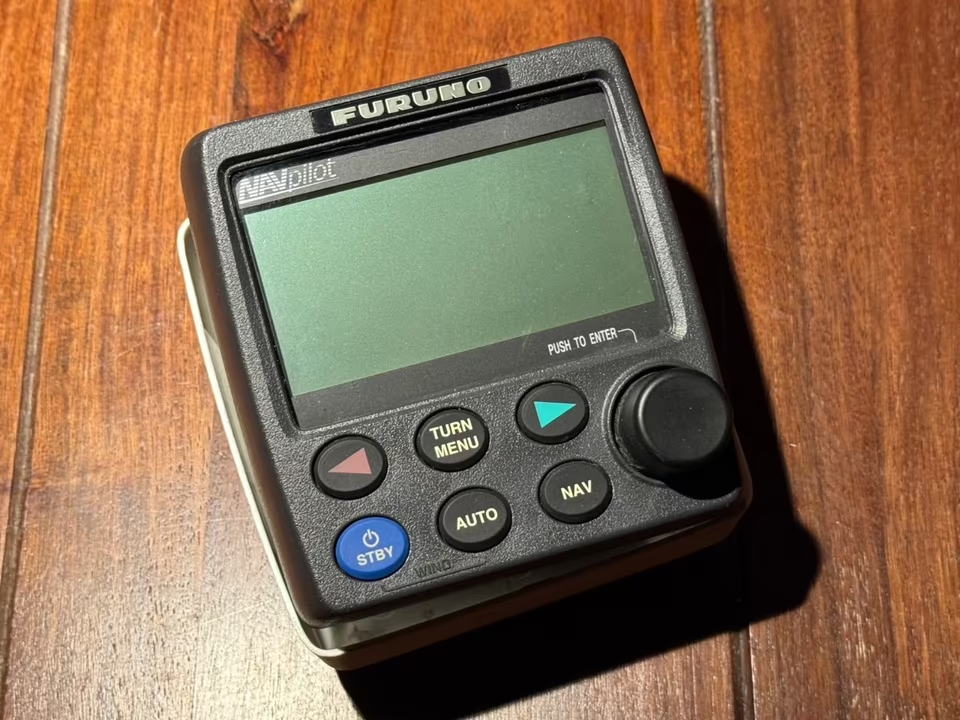
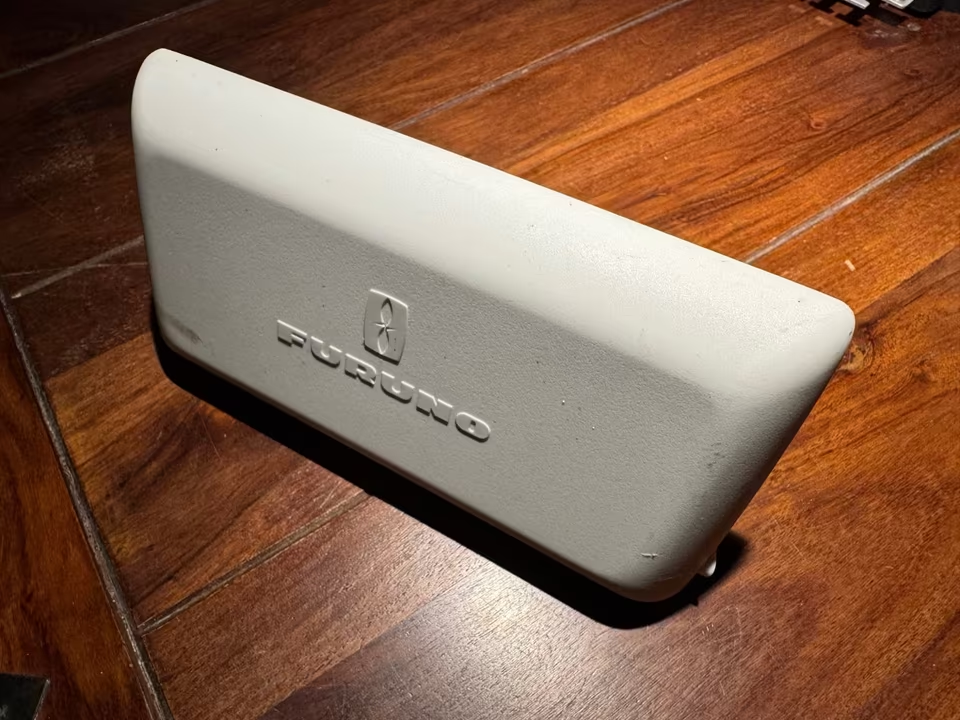
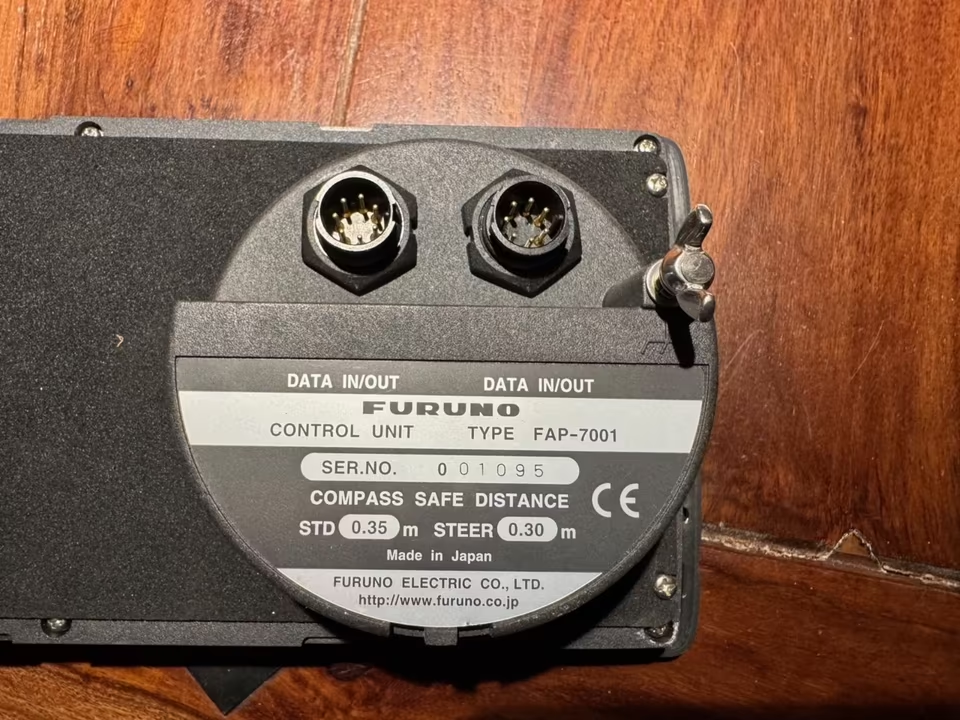
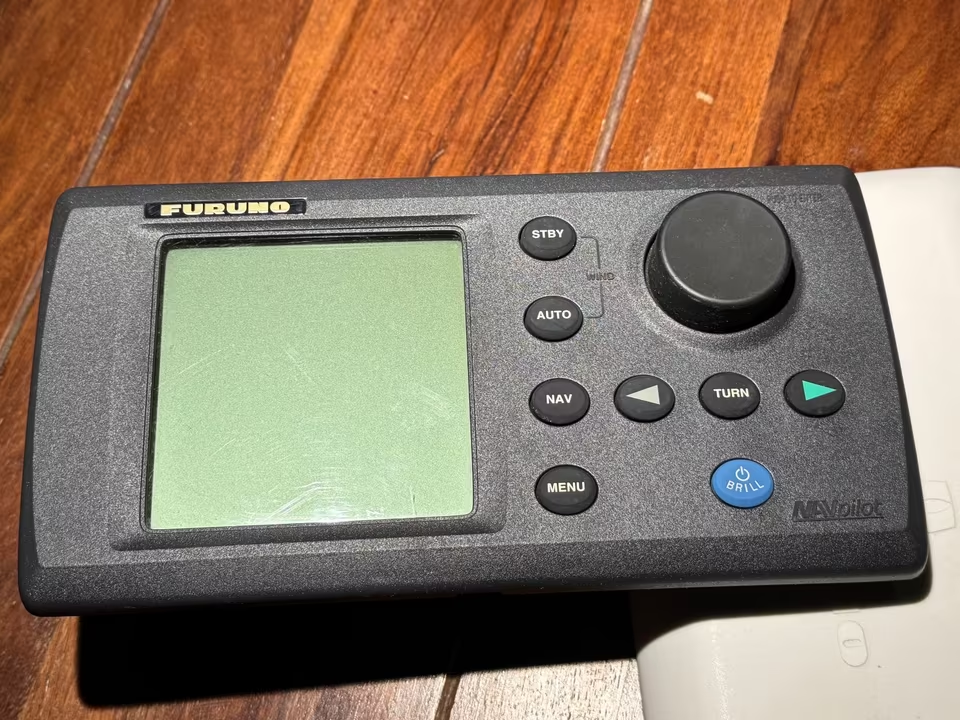
FURUNO autopilot NAVPILOT FAP-7001 + FAP-7011 + FAP-7002 + PG-500
Furuno NAVpilot 700 series (which includes the components you listed, such as the FAP-7001/7011 control units and FAP-7002 processor) represents a classic, highly reliable, and “tank-like” marine autopilot system.
It is important to understand that this specific equipment is now considered legacy technology. It has been succeeded by newer models like the NAVpilot-300, NAVpilot-711C, and the commercial-grade NAVpilot-1000.
System Breakdown
-
FAP-7001 / FAP-7011: These are your primary control/display units. They provide the interface for selecting steering modes (Auto, Nav, Wind, etc.), adjusting rudder settings, and viewing heading/course data.
-
FAP-7002: This is the “brains” of the operation—the Processor Unit. It performs the complex calculations for course-keeping by processing data from your heading sensor, rudder reference unit, and GPS.
-
PG-500: This is a Rate-Compensated Heading Sensor (fluxgate compass). It is the critical “eye” of the system, providing the stable heading data that allows the autopilot to steer accurately.
Key Technical Considerations for Legacy Systems
-
Compatibility: This series uses proprietary networking protocols, though it is compatible with NMEA 0183 data (e.g., GPS data from your plotter). It is not natively compatible with the modern NMEA 2000 “plug-and-play” networks found on newer vessels.
-
Support & Maintenance: As legacy equipment, finding replacement boards, LCDs, or proprietary cabling for this series can be difficult and costly. If you are refurbishing an existing system, you may need to rely on the secondary (used/refurbished) market.
-
Heading Sensor (PG-500 vs. PG-700): While the PG-500 is the classic sensor for this series, it is functionally interchangeable with the newer PG-700 in many setups, provided the installation and calibration are performed correctly.
Strategic Advice
Given your business, which focuses on high-performance automotive and marine components, it is helpful to view this autopilot as the “mechanical era” of marine electronics. It is robust and provides excellent course-keeping, but it lacks the modern “SABIKI™ Mode,” “FishHunter™,” and “Fantum Feedback” (which eliminates the need for a physical rudder reference unit) found in modern Furuno pilots.
-
If you are maintaining this system: It is a proven, reliable piece of technology that, when properly tuned, will steer a boat as well as many newer systems. Ensure your wiring connections are clean and dry, as these legacy connectors are often the first points of failure.
-
If you are looking to upgrade: Replacing a 700-series system with a modern NAVpilot-711C or NAVpilot-300 is a “drop-in” improvement that will offer significantly better software algorithms, easier installation (with Fantum Feedback), and integration with modern NMEA 2000 boat networks.
Reviews
There are no reviews yet