
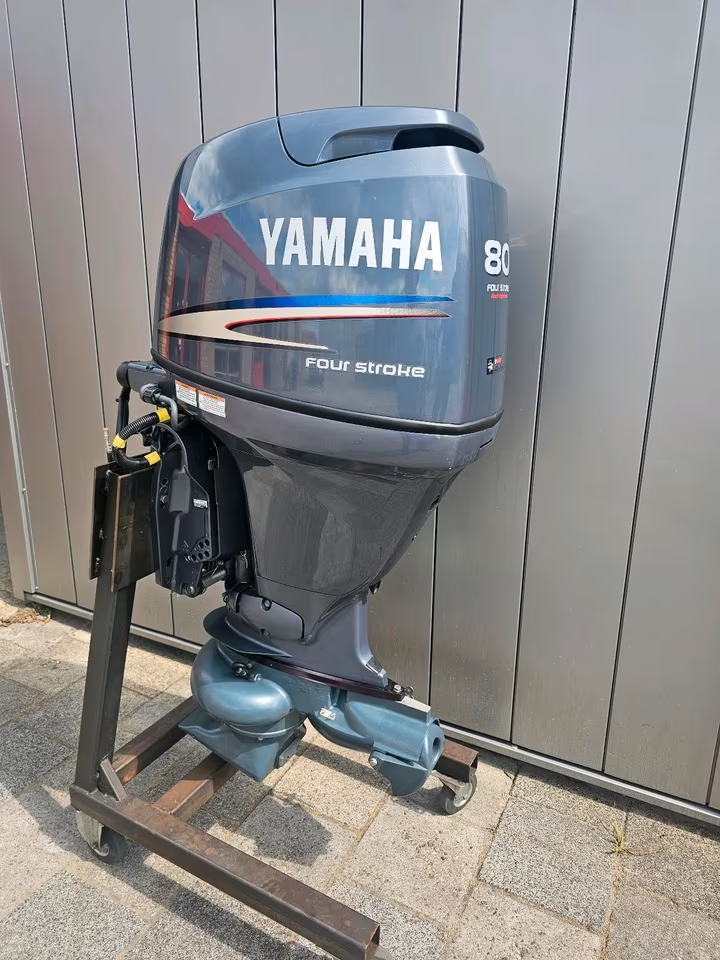
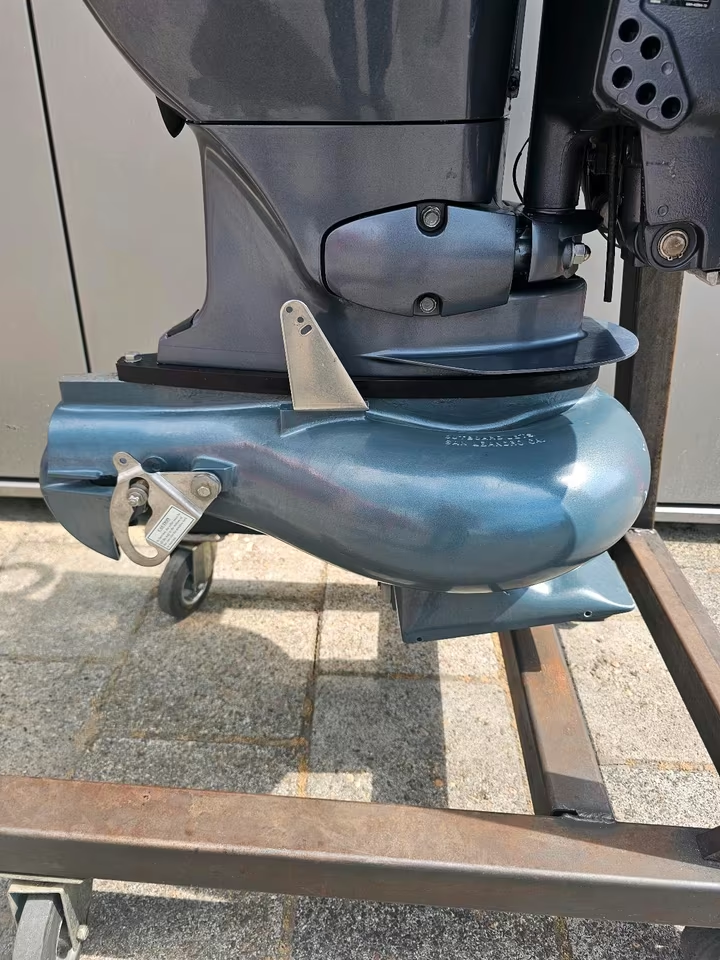
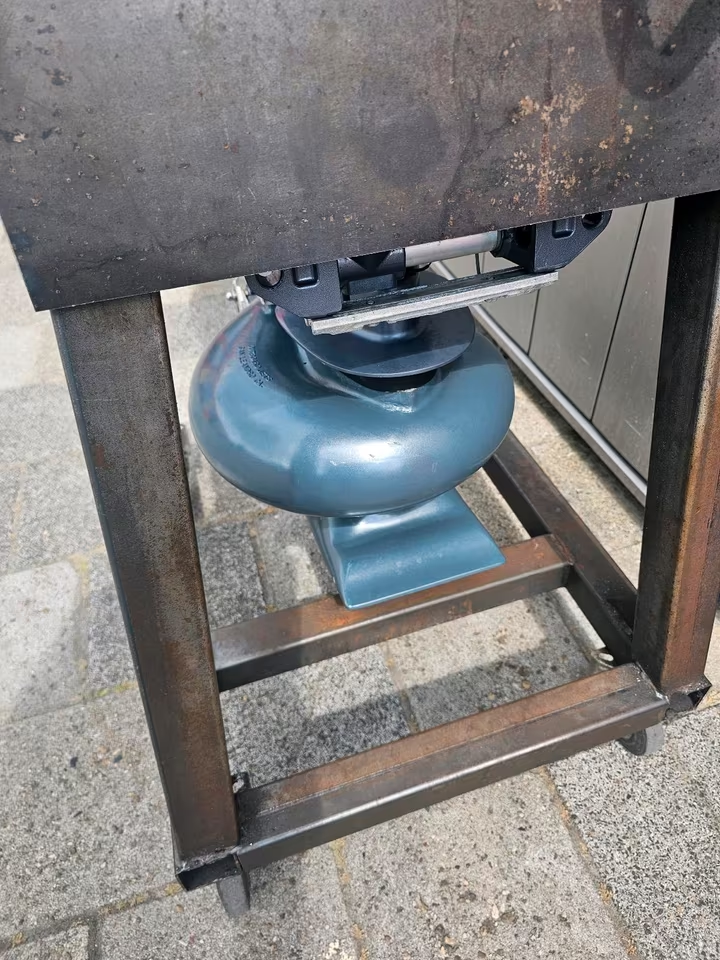
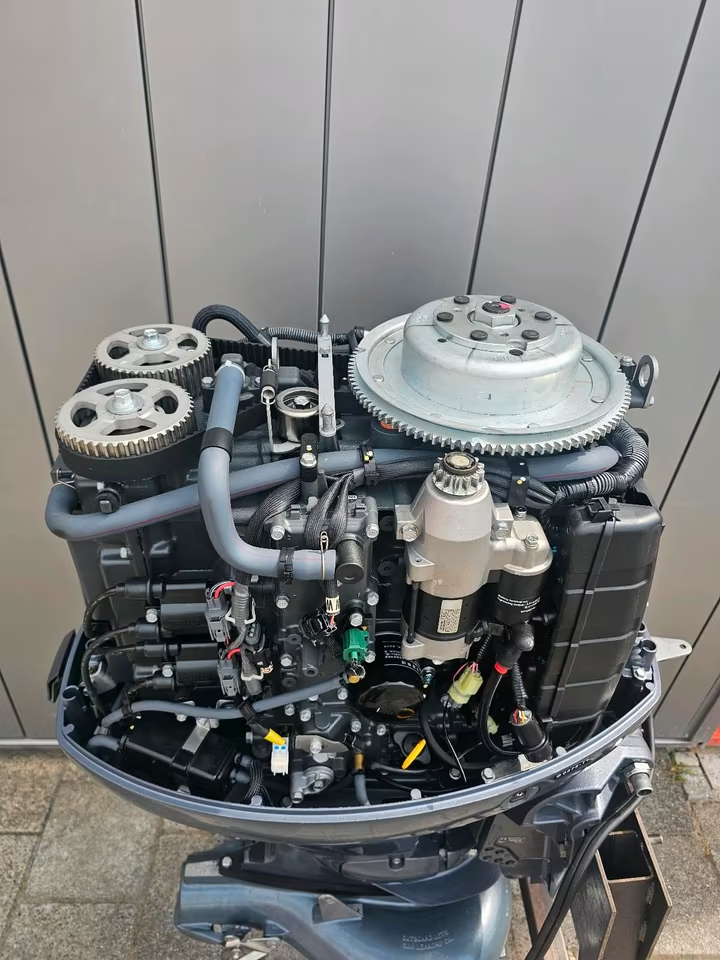
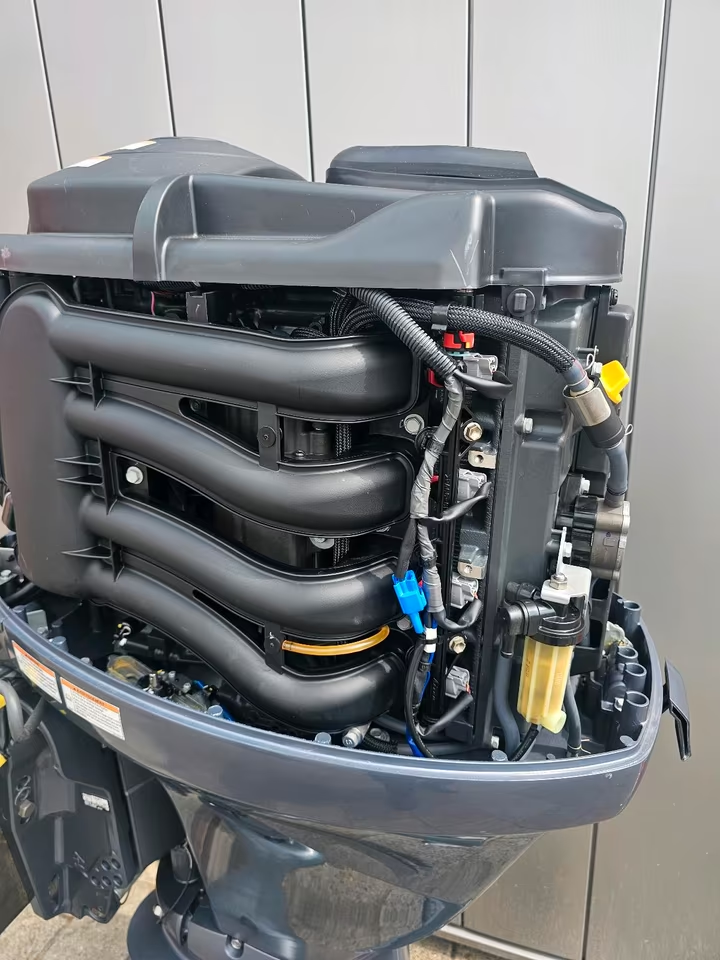
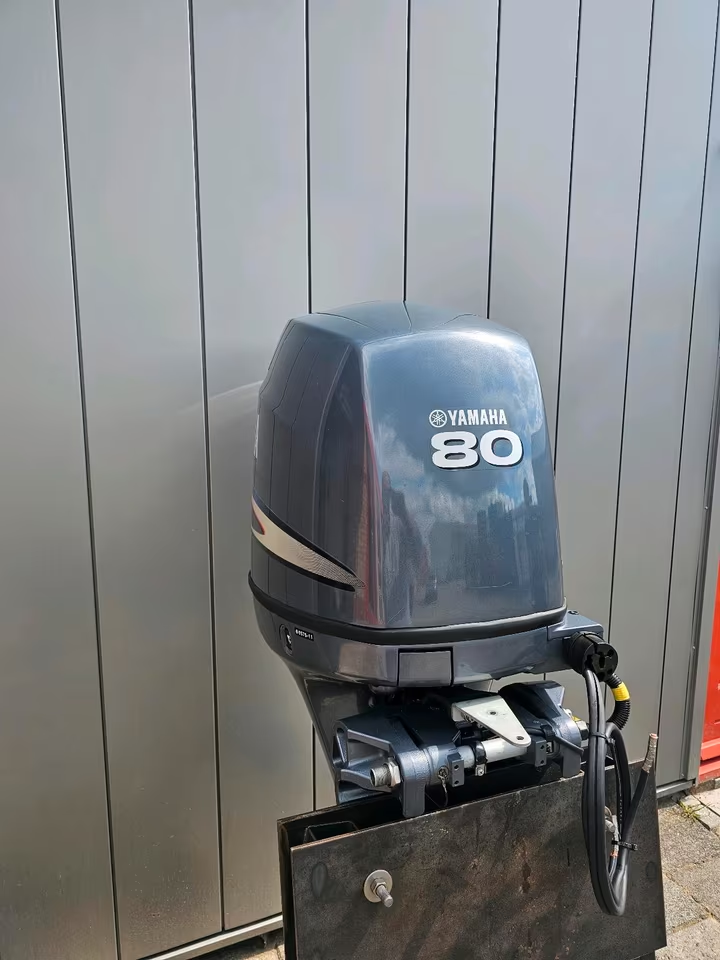
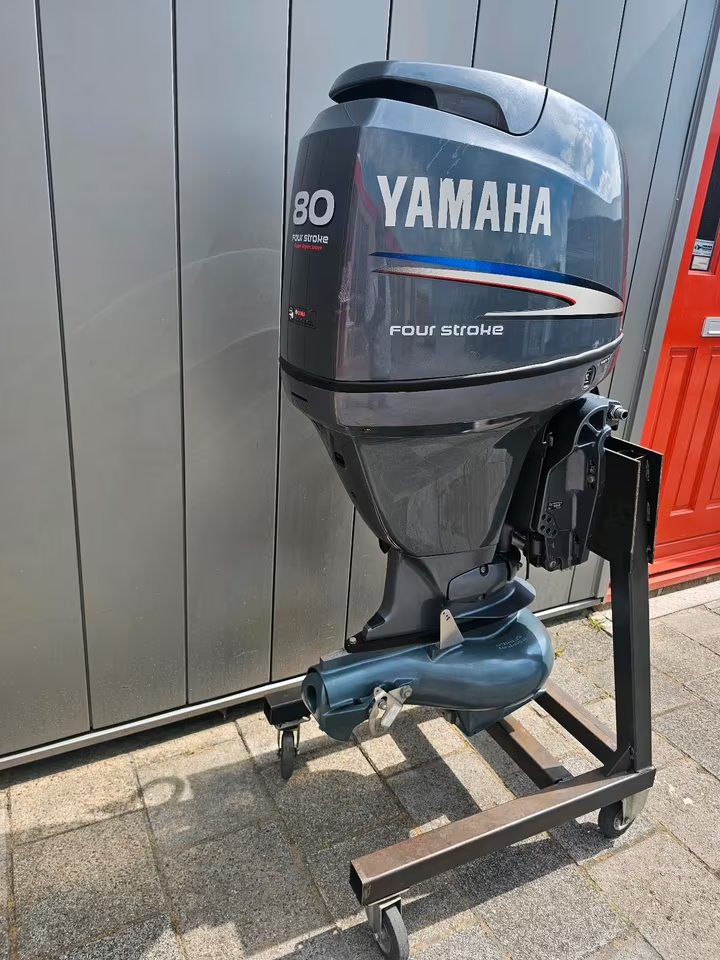
YAMAHA JET 100hp 4-STROKE EFI LONG SHAFT P.TRIM VERY GOOD CONDITION
Yamaha does not manufacture a “100HP Jet” outboard motor in their current or recent 4-stroke lineup.
In the marine industry, a “Jet” outboard typically refers to a specialized lower unit that uses an impeller to intake and propel water, rather than a traditional propeller shaft. These are usually factory-engineered specifically for shallow-water navigation. If you have found a listing for a “Yamaha 100HP Jet,” it is highly likely one of two things:
-
A Standard Propeller Model: It is a standard Yamaha 100HP 4-stroke outboard (a very common, reliable model) that has been misidentified by the seller.
-
An Aftermarket Modification: Someone may have fitted a third-party jet pump kit onto a standard Yamaha 100HP powerhead. These are not standard factory configurations and can complicate warranty support and parts sourcing.
Quick Reference: Yamaha 100HP 4-Stroke (Standard Model)
If you are looking at a standard F100 (which is a popular, highly-regarded 4-stroke), here is what you need to know for your evaluation:
-
Engine: 1.8L, 4-cylinder, 16-valve SOHC, EFI (Electronic Fuel Injection).
-
Performance: Known for excellent torque, fuel efficiency, and quiet operation.
-
Trim/Tilt: The standard F100 model comes equipped with Yamaha’s “Wide Range Power Trim & Tilt,” which is excellent for handling.
-
Shaft Length: “Long Shaft” (20″) is the most common configuration for standard fishing and pleasure boats.
Advice for Evaluating “Very Good Condition”
Since you are likely looking at a used unit, do not rely on the seller’s claim of “very good condition.” Use this checklist to verify the motor’s health before committing:
-
Compression Test: This is the most critical test. Ensure all cylinders are within 10% of each other. Low compression on one cylinder is a major red flag for internal wear.
-
Oil & Gear Lube Check: Check the engine oil for milky residue (water intrusion) or metallic shavings. Drain a small amount of gear lube—if it is milky, the lower unit seals are failing.
-
Trim/Tilt Function: Operate the trim up and down through its full range. It should be smooth, quiet, and not “bleed down” (slowly drop on its own) when left in the full-up position.
-
Service History: Ask for maintenance records. A motor with 500 hours that has been professionally serviced every 100 hours is often a better purchase than a motor with 50 hours that has been sitting for years without maintenance.
-
Verify the Jet Pump: If it is an actual jet drive, inspect the impeller and the intake liner for nicks, bent blades, or signs of sand/rock ingestion, which will severely degrade performance.
Reviews
There are no reviews yet