
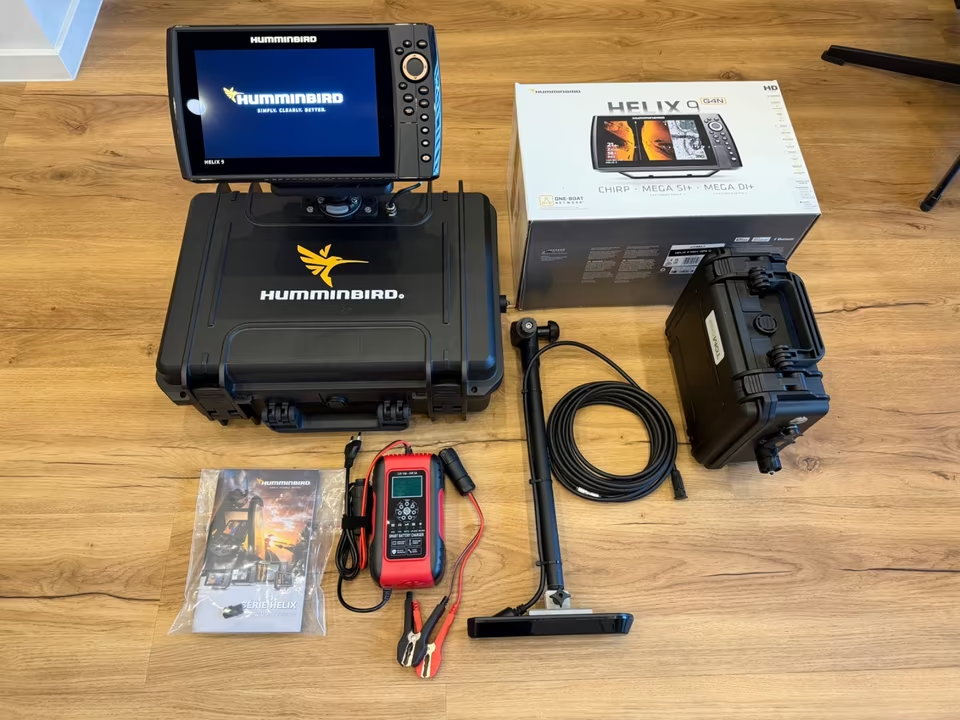
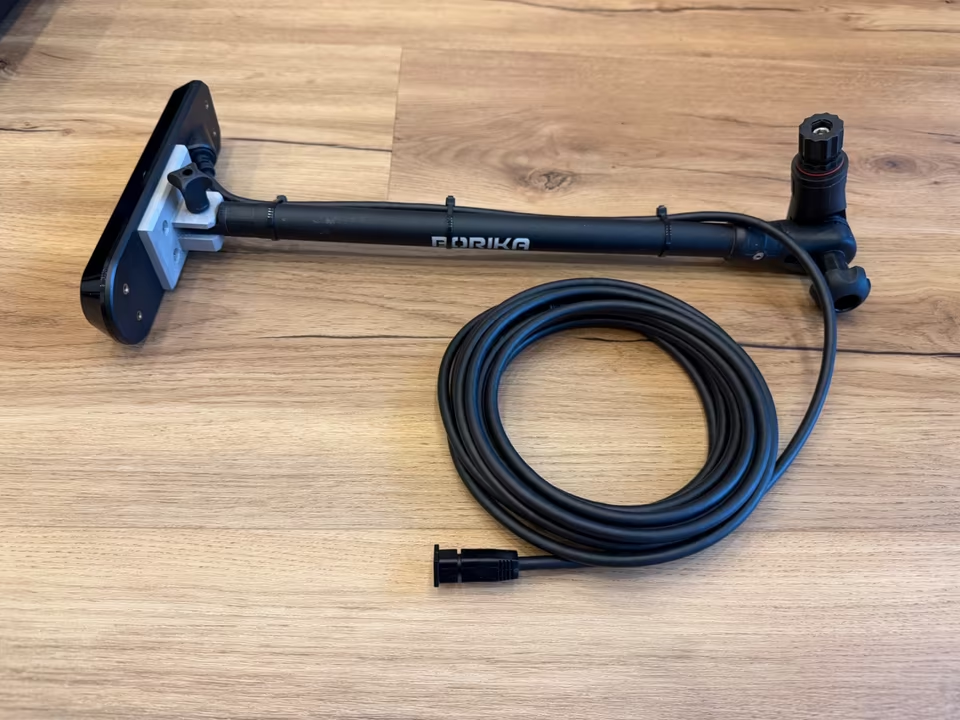
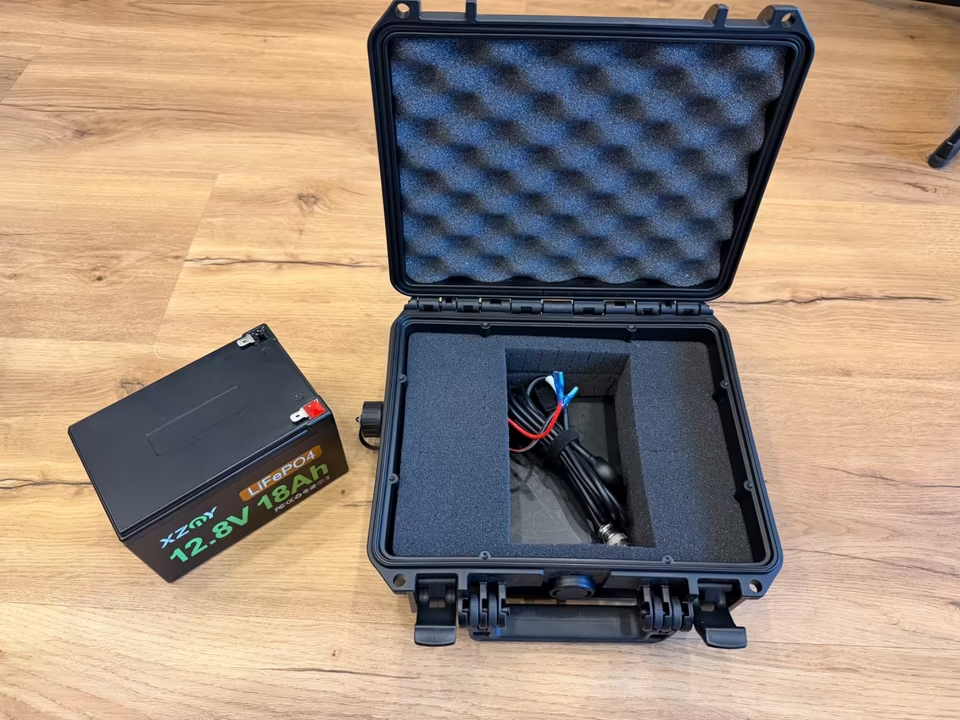
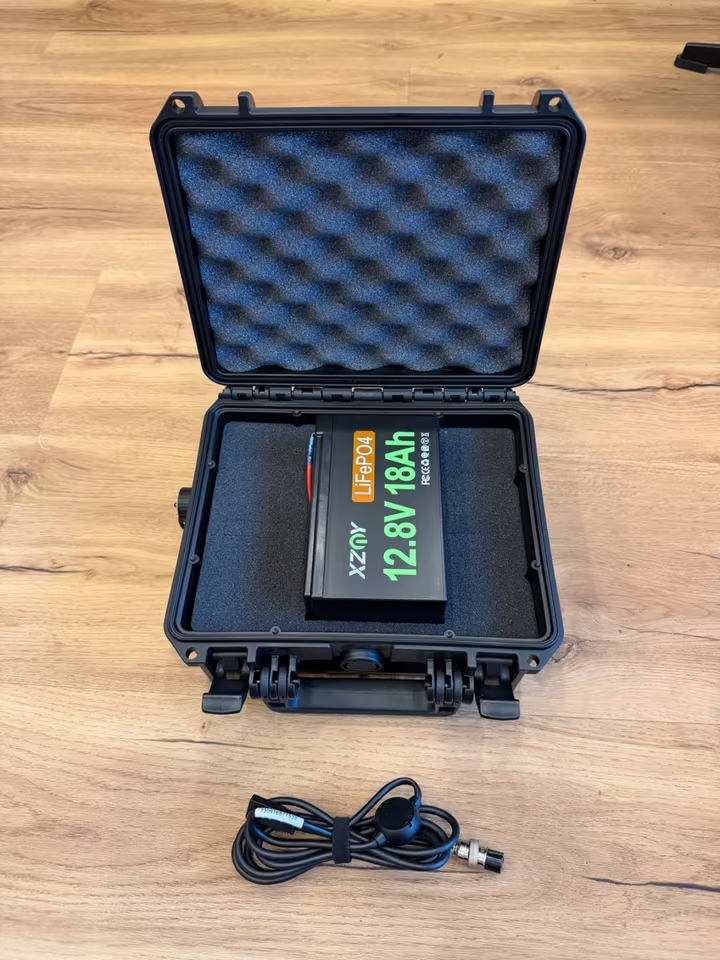
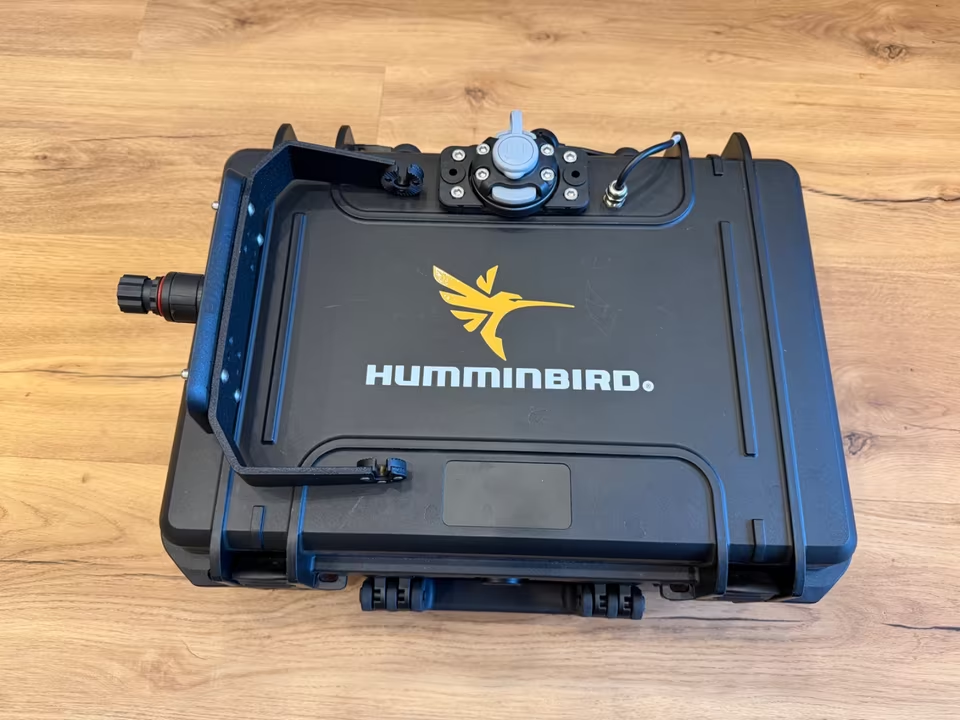
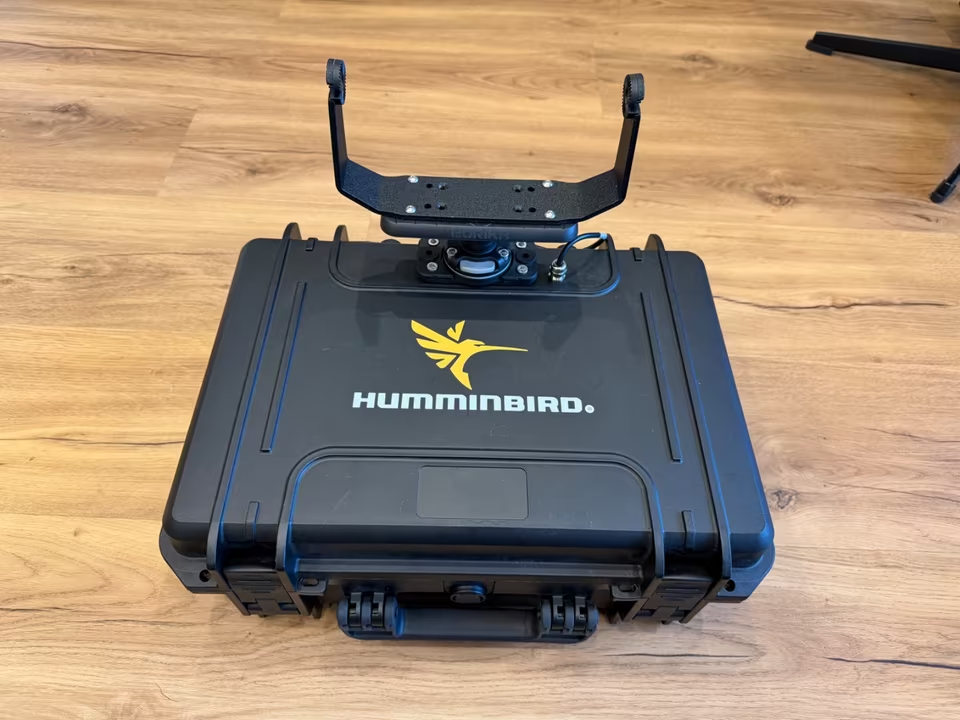
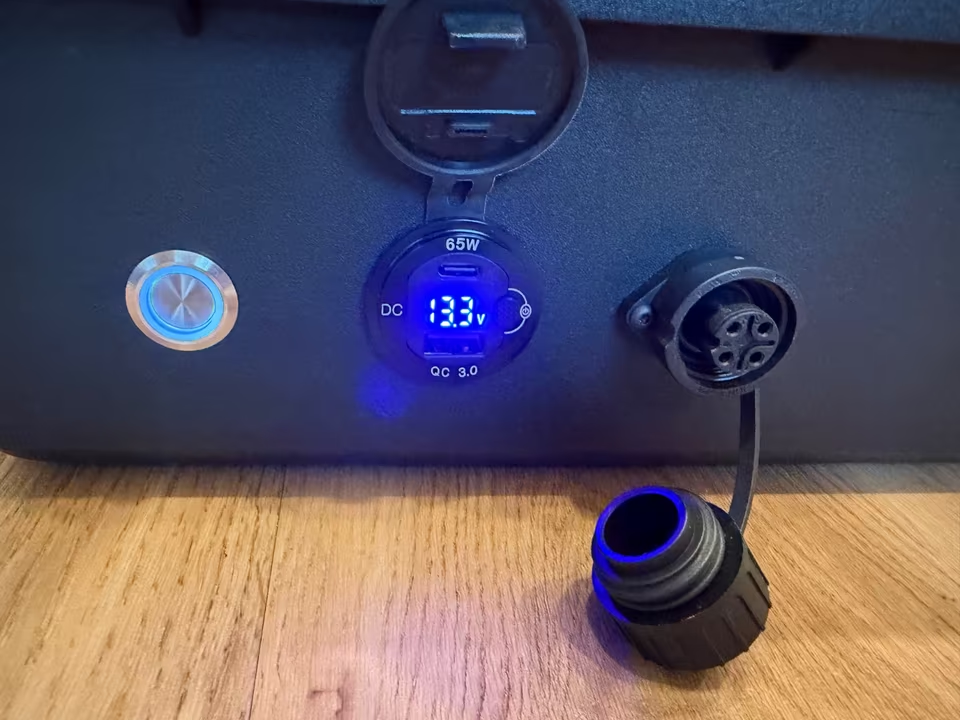
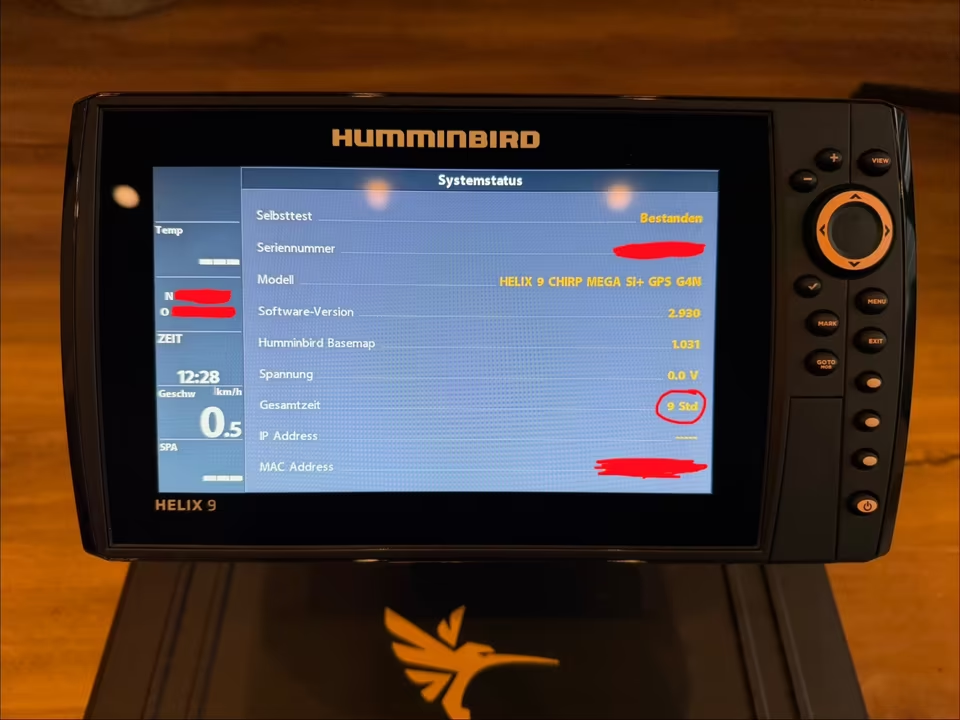
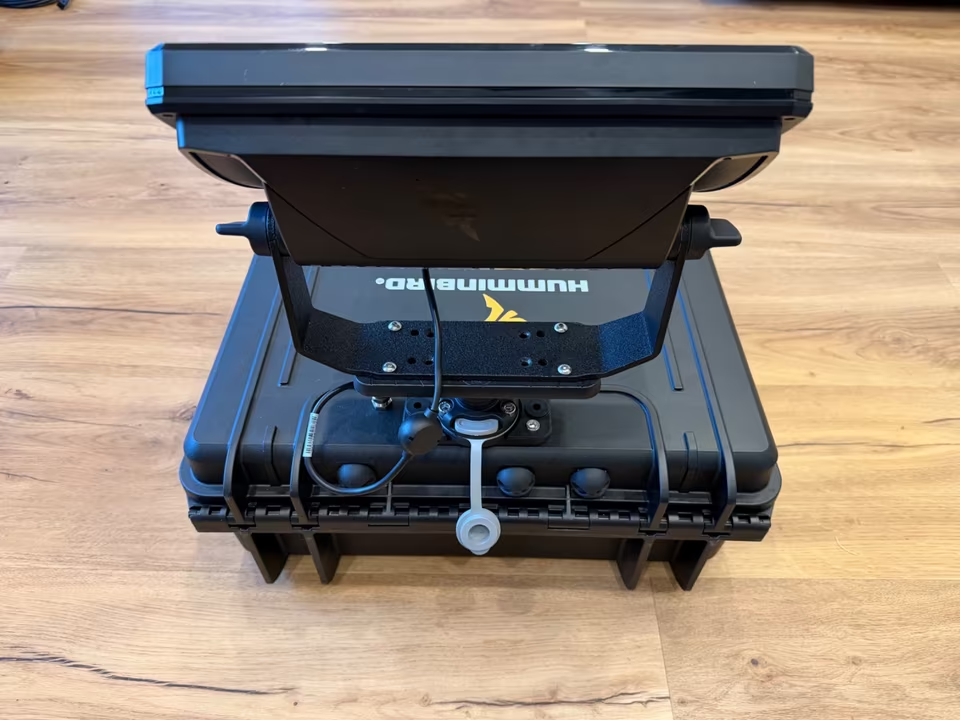
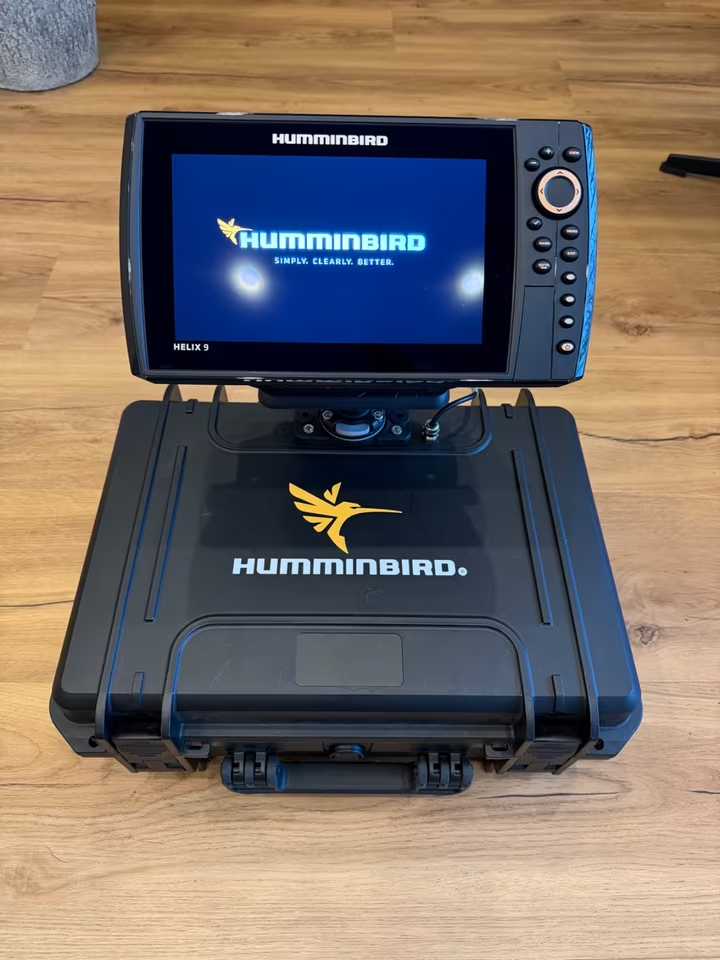
Humminbird Helix 9 G4N Fishfinder LiFePo4 Belly Boat Fastening Garmin
key technical limitation before you proceed with your setup: Humminbird HELIX units and Garmin LiveScope systems are not compatible with each other.
They operate on entirely different proprietary networking protocols, and you cannot connect a Garmin LiveScope transducer or its GLS 10 sonar module to a Humminbird HELIX display. If you want to use LiveScope, you will need a compatible Garmin chartplotter display.
Here is a guide on how to approach your setup for a belly boat, keeping the technical limitations and marine best practices in mind.
1. The “Dual-Unit” Approach
Because the systems cannot network, many anglers who want the best of both worlds (e.g., Humminbird’s mapping/imaging and Garmin’s LiveScope) run two separate units:
-
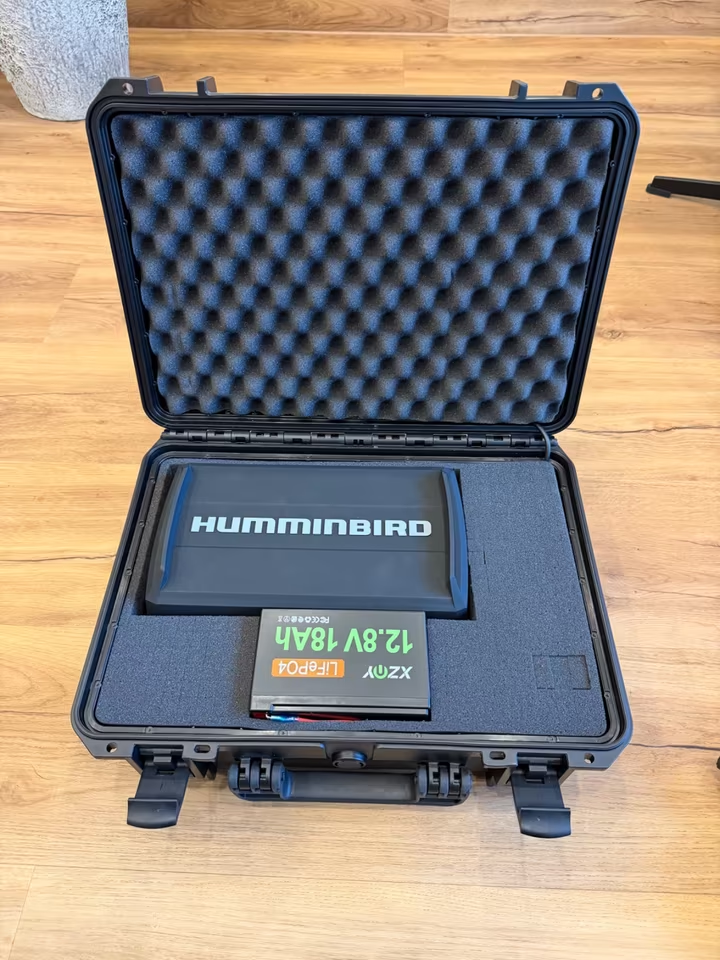
Humminbird HELIX 9 G4N: Use this for your standard sonar, side imaging, and mapping.
-
Garmin Display: You will need a separate, LiveScope-compatible Garmin unit (like the ECHOMAP or GPSMAP series you have been looking at) to plug in the GLS 10 and LVS34.
-
Transducer Placement: On a belly boat, space is limited. Keep the transducers separated by at least 12–18 inches if possible, or mount them on opposite sides of the belly boat to avoid sonar interference between the two different frequencies.
2. Mounting on a Belly Boat
Belly boats (float tubes) require specialized, lightweight mounting solutions:
-
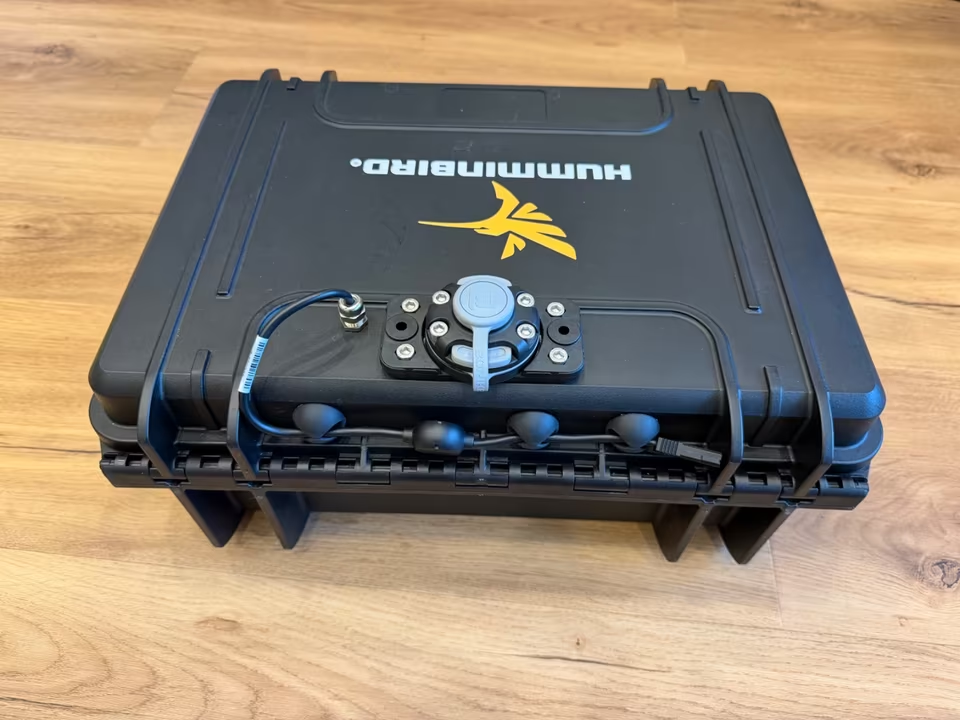
Strap Systems: The most common method. Use a mounting plate that straps around the tube. Ensure it is secured with a safety lanyard so your expensive electronics don’t end up at the bottom of the lake.
-
Rigid Mounts: If your belly boat has a PVC hull, you can use adhesive-backed mounts (like Scotty or Fasten mounts) to create a more permanent, stable platform for your fishfinder and transducer arm.
-
Transducer Arm: For LiveScope, you need a rotatable transducer pole (like the Kaiser stainless steel pole you mentioned previously) to manually aim your LiveScope beam at fish. This should be mounted so you can easily reach and turn it while fishing.
3. LiFePO4 Power Best Practices
LiFePO4 batteries are excellent for belly boats because they are lightweight and provide a steady voltage, but they require proper care:
-
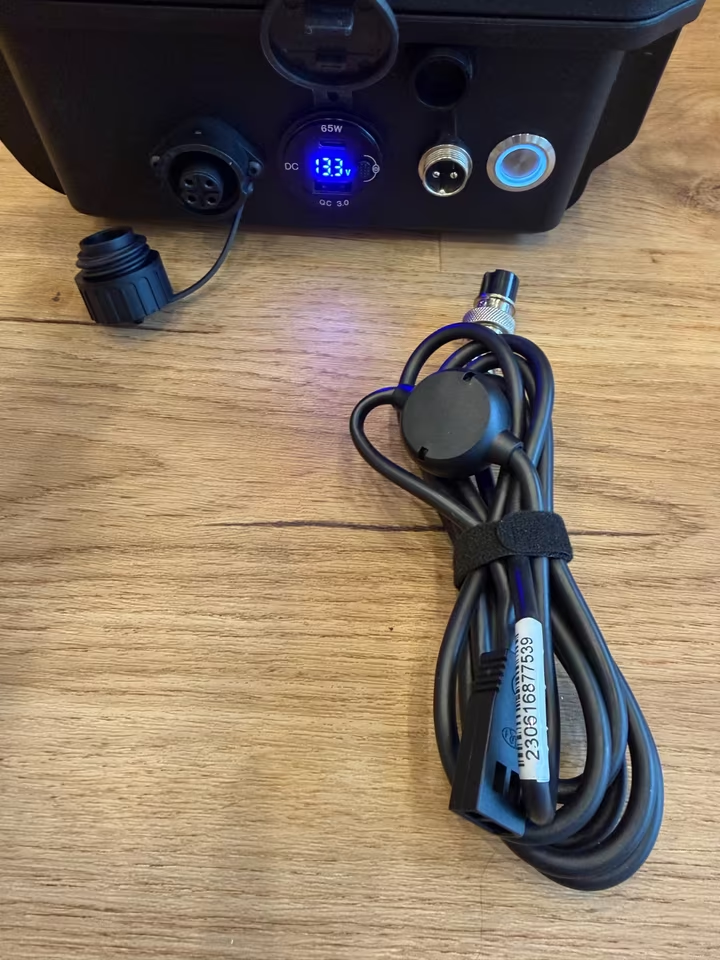
Waterproof Protection: Since you are in a belly boat, your battery is at high risk of water exposure. Place your LiFePO4 battery in a fully sealed, waterproof, and shock-resistant battery box (IP67 or higher rating is recommended).
-
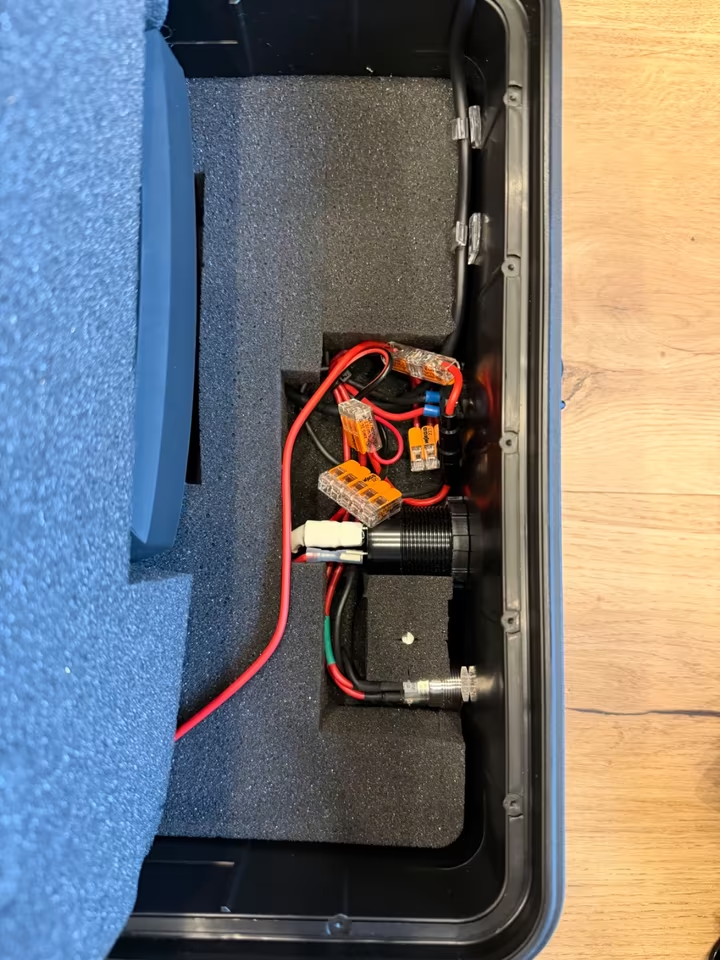
Fusing is Mandatory: Always install a fuse on the positive lead as close to the battery as possible. This protects your expensive sonar units from shorts, especially in a compact, mobile setup where wires are frequently moved.
-
BMS Management: Ensure your battery has an integrated Battery Management System (BMS) to prevent over-discharging. Avoid letting the voltage drop below 10V to maintain battery health.
-
Weight Distribution: Keep the battery box near the center of the boat to ensure it stays balanced.
Summary Checklist for Your Build
-
[ ] Separate Displays: Ensure you have both a Humminbird unit AND a Garmin unit if you intend to use LiveScope.
-
[ ] Mounting: Secure your transducer arm to a strap-based mount or adhesive base on your tube.
-
[ ] Power: Use a dedicated 12V LiFePO4 battery in a waterproof case with a 5A–10A inline fuse (depending on your specific unit’s draw).
-
[ ] Safety: Use lanyards/tethers for the fishfinder, battery box, and transducer pole.
Reviews
There are no reviews yet